


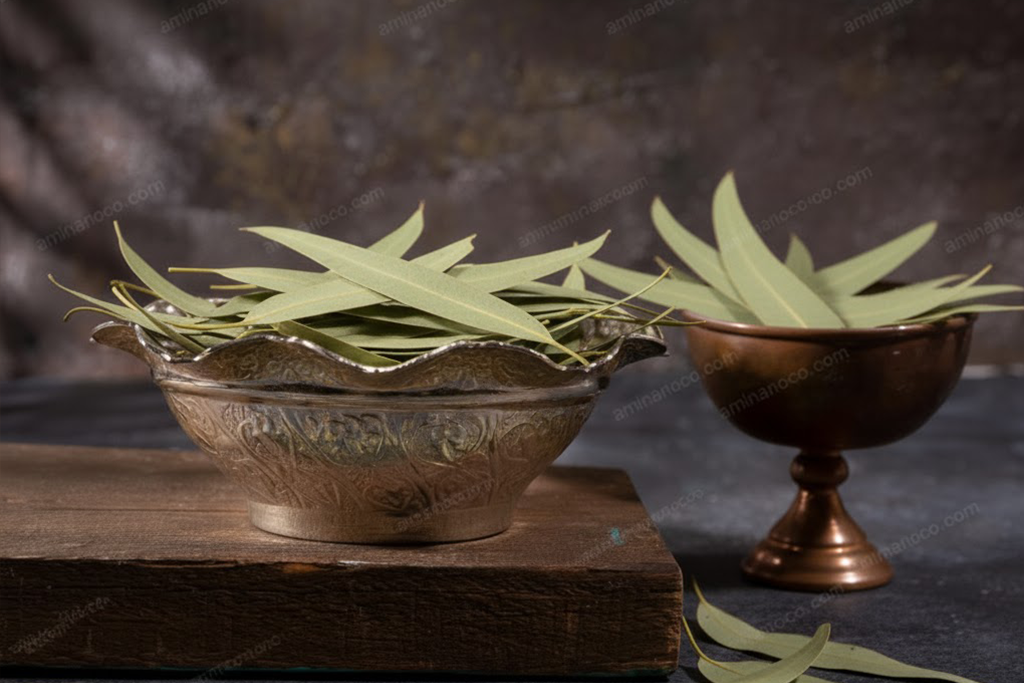

Product Name: | Candy Leaves |
|---|---|
Botanical Name: | Stevia |
| Supply Type: | Bulk / Wholesale |
| Part Used: | Leaf |
| Cut Size: | Leaf, Broken, c.c, F.c |
Product Specifications
|
Processing Type |
Shelf Life |
Moisture |
Certification |
|---|---|---|---|
|
Shadow-dried |
3 Years |
Max 8% |
ISO 9001, ISO 22000, Halal, Conventional |
Trade & Ordering Information
|
Packaging |
MOQ |
Tiered Pricing |
Sample Availability |
lead time |
|---|---|---|---|---|
|
PP bag, Cartons (The goods are typically palletized according to the customer's preference) |
100 kg |
Volume Discount Available |
Could be organised based on customer's demand |
Depends on the order's quantity/seasonality/final destination |
Health benefits
- Rich in antioxidants and bioactive compounds
Candy leaves contain flavonoids, polyphenols, and aromatic compounds that help protect cells from oxidative stress and support overall wellness. - Supports digestive comfort
Traditionally used in herbal infusions and teas to aid digestion, reduce bloating, and maintain gastrointestinal balance. - Supports oral and throat health
Commonly applied in herbal remedies to soothe the throat, support oral hygiene, and provide a refreshing effect. - Mild calming and mood-supporting effects
Valued for their gentle aroma, candy leaves are used to promote relaxation and emotional well-being. - Supports immune system balance
Incorporated into herbal formulations to help maintain immune resilience and overall body wellness.
Uses Across Industries
- Herbal & pharmaceutical industry
Used in herbal extracts, tinctures, and traditional medicinal formulations for their mild digestive, soothing, and anti-inflammatory properties, commonly applied in products targeting gastrointestinal comfort, appetite support, and relaxation. - Cosmetic & personal care industry
Applied in skincare creams, lip balms, and bath products for their gentle aromatic, soothing, and refreshing effects, often used in formulations for sensitive or delicate skin. - Nutraceutical & dietary supplement industry
Incorporated into herbal teas, wellness blends, and dietary supplements aimed at digestive support, metabolic balance, and mood enhancement, frequently combined with other aromatic herbs. - Food & beverage industry
Used in confectionery, herbal teas, flavored syrups, and beverages for their sweet, aromatic profile and refreshing taste (subject to food-grade regulations). - Aromatherapy & wellness industry
Utilized in essential oil blends, potpourri, bath salts, and spa products for their uplifting scent, calming properties, and contribution to relaxation-focused environments.


