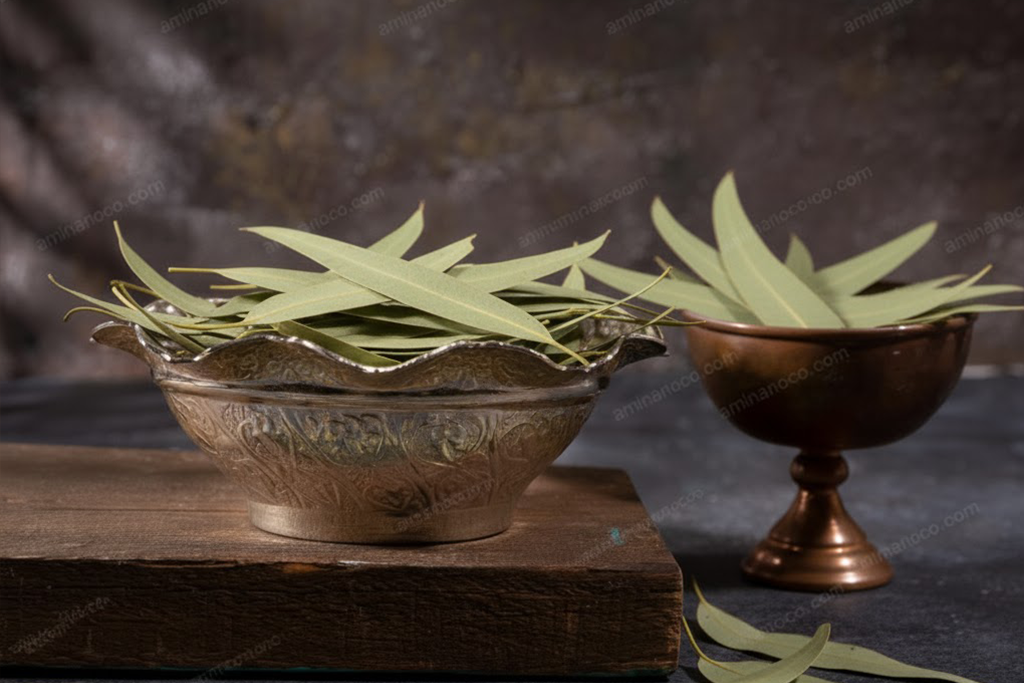
Product Name: | Willow leaves |
|---|---|
Botanical Name: | Salix alba |
| Supply Type: | Bulk / Wholesale |
| Part Used: | Leaf |
| Cut Size: | Broken, Leaf, c.c |
Product Specifications
|
Processing Type |
Shelf Life |
Moisture |
Certification |
|---|---|---|---|
|
Shadow-dried |
3 Years |
Max 8% |
GMP, ISO 9001, ISO 22000, Halal, Conventional |
Trade & Ordering Information
|
Packaging |
MOQ |
Tiered Pricing |
Sample Availability |
lead time |
|---|---|---|---|---|
|
PP bag (The goods are typically palletized according to the customer's preference) |
100 kg |
Volume Discount Available |
Could be organised based on customer's demand |
Depends on the order's quantity/seasonality/final destination |
Health benefits
- Rich in antioxidants and bioactive compounds
Willow leaves (Salix spp.) contain flavonoids, salicin, and phenolic compounds that help protect cells from oxidative stress and support overall wellness. - Supports anti-inflammatory responses
Traditionally used in herbal preparations for reducing inflammation, soothing discomfort, and supporting joint and tissue health. - Supports pain relief and mild analgesic effects
Valued for its natural compounds that help alleviate mild pain and support overall comfort. - Supports cardiovascular wellness
Applied in herbal remedies for promoting healthy circulation and maintaining vascular function. - Supports immune and metabolic health
Willow leaves are historically used to enhance immune resilience and support overall metabolic balance.
Uses Across Industries
- Herbal & pharmaceutical industry
Used in herbal extracts, tinctures, and traditional medicinal formulations for its anti-inflammatory, analgesic, and antioxidant properties, commonly applied in products targeting pain relief, fever reduction, and cardiovascular support. - Cosmetic & personal care industry
Applied in skincare creams, lotions, masks, and bath products for its soothing, clarifying, and antioxidant effects, particularly valued in formulations for acne-prone, sensitive, or aging skin. - Nutraceutical & dietary supplement industry
Incorporated into dietary supplements, herbal teas, and functional blends aimed at supporting joint health, inflammation reduction, and overall wellness, often combined with other botanicals like turmeric or ginger. - Food & beverage industry
Occasionally used in herbal teas and specialty infusions for its mild astringent taste, traditional health benefits, and antioxidant content (subject to food-grade regulations). - Aromatherapy & wellness industry
Utilized in essential oils, potpourri, and wellness products for its calming, earthy aroma and traditional use in relaxation, stress relief, and holistic therapies.